
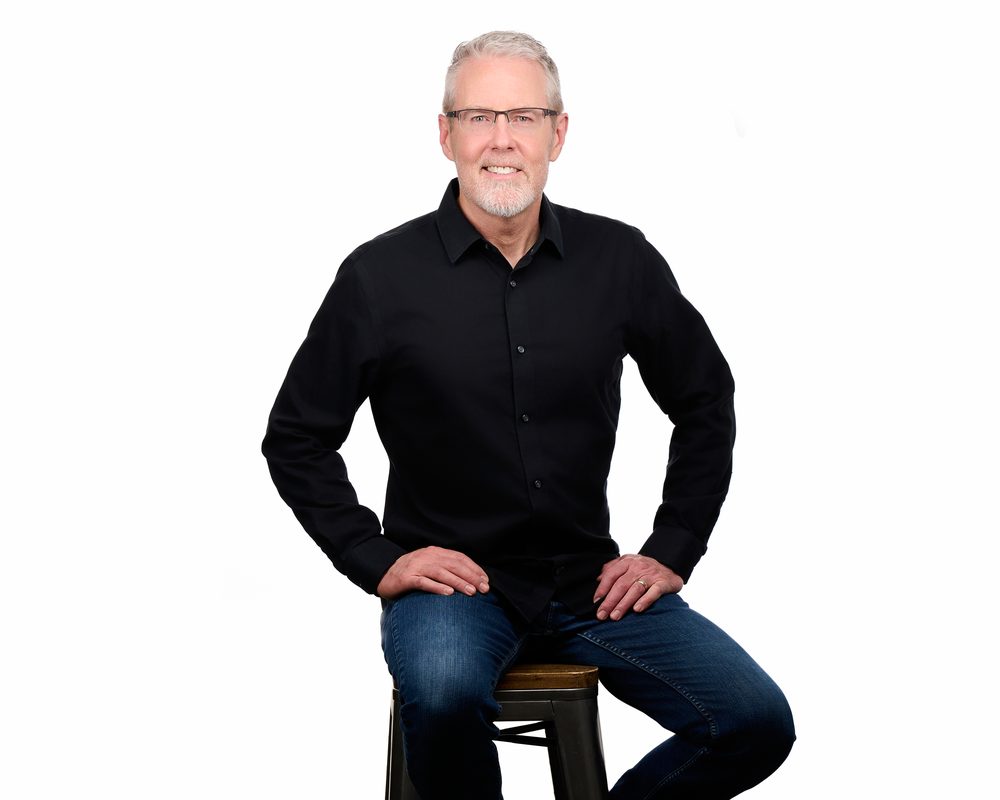
Aaron’s connection to Dynera goes back more than twenty years.
The name began with his friend Paul Kitko, who used it for a web-design business around 2001.
In 2004, Paul and Aaron formed Dynera Corporation, a Delaware C-corporation.
The company became a home for websites, software, small businesses, and other projects that didn’t fit neatly into one category.
Over time, Paul was bought out and Aaron continued with Dynera.
The form changed. The work changed. The name stayed.
Today, Dynera LLC is the latest version.
Its current work includes software, SaaS, artificial intelligence, and projects such as Cellaronomy.
The path to Dynera — and eventually back to it — started earlier.
Before Dynera
Software development wasn’t part of Aaron’s Air Force job.
He was assigned to space operations. Along the way, he kept finding places where software could make those space missions work better.
So he built it.
The work happened entirely on his own personal time.
One of the first efforts was MOLES — the Milstar Operational Logging Entry System.
Aaron didn’t build the production system. He built a visual demo and proof of concept that made the idea tangible enough for leadership to act on it.
The demonstration worked.
Leadership funded the system.
Later came SERTS — Space Event and Re-entry Tracking Software for the Space Control Center in Cheyenne Mountain.
Aaron was the sole coder.
SERTS provided situational awareness across space operations. It tracked individual events on an operational board, alerted crew members when specific actions were due or launches were expected, used voice prompts to help manage crew tasks, and allowed offices outside the operations center to monitor space events as they unfolded.
It was fully adopted as the official tracking solution for Space Control Center operational use and remained in use for years after Aaron left.
None of this was an assigned software-development program.
The software came from working inside the mission, seeing where a better tool could help, and building one.
That approach would show up again later in Dynera.
DITYmovers
One of Dynera’s earliest projects came directly from a military move.
Aaron was preparing to move from Colorado to Maryland using the military’s Do It Yourself moving program, now generally called a Personally Procured Move.
The program offered real opportunity, but understanding it took work.
The useful information was scattered through regulations, official guidance, and the experience of other service members.
Aaron worked through the rules, planned the move, and completed it.
Then he and Paul built DITYmovers.com to make the process easier for others.
The site became a profitable small internet business.
More than twenty years later, it’s still online.
It started with a practical problem and a simple question: could the process be made easier to understand?
The answer became a website that helped thousands.
Software Again
A few years later, mobile computing opened another avenue.
Air Force members had to take a yearly physical fitness assessment with scoring rules that weren’t especially convenient to calculate on the fly.
A mobile calculator made sense.
Aaron built one for Android.
The application ultimately sold thousands of legitimate copies and was upgraded to run on Android watches for greater convenience.
It didn’t make Dynera a major software company.
It was a useful tool that solved a specific problem and found an audience.
That was enough.
Other Projects
Dynera moved through other websites, software projects, importing, podcasting, mobile applications, and commercial experiments.
Some worked.
Some didn’t.
Some continued for years.
Others ended quickly.
The projects changed because the problems changed.
Eventually Dynera Corporation gave way to DyneraCorp LLC, which Aaron used primarily for consulting.
Aaron’s next undertaking took him in an entirely unexpected direction.
Quadric Biomed
In 2019, Aaron became CEO of Quadric Biomed, an early-stage medical-device company developing an unconventional dental implant for posterior teeth.
The setting was far removed from his earlier Dynera projects.
The work wasn’t.
There was a problem.
There was a possible solution.
The task was to make it real.
That required turning the concept into a commercial medical device, building the company around it, and moving through a long list of technical and commercial hurdles.
The work touched patents, engineering, FDA regulation, manufacturing, quality systems, clinical use, financing, investor relations, sales, and company operations.
Aaron became a named inventor on the company’s patents.
The company raised capital.
The implant received FDA clearance.
It was manufactured.
Dentists placed it in patients.
Commercial product was sold.
Aaron stayed with the company for more than six years.
Seen against the earlier work, it’s a slightly improbable progression.
Air Force operational software, a military-moving website, and an Android fitness app eventually gave way to patents, FDA clearance, clinical use, and medical-device commercialization.
But the underlying pattern stayed recognizable.
There was a problem.
There was something worth building.
The work expanded from there.
What Accumulated
Military service. Websites. Software. Importing. Mobile apps. Podcasting. Consulting. Medical devices. Patents. FDA regulation. Fundraising. Wine. Artificial intelligence.
An uncommon assemblage of experiences.
Aaron accumulated them through more than two decades of building companies, products, and projects across very different domains.
There wasn’t a master plan connecting them.
The breadth came from the work itself.
And the experience began to overlap.
Software affects how products are designed.
Regulation affects how businesses operate.
Manufacturing changes what can actually be sold.
Customers reveal flaws that planning doesn’t.
Small businesses punish unnecessary complexity.
Medical devices demand a different standard of evidence and consequence.
Each project left something useful behind for the next one.
Back to Dynera
In 2026, Aaron brought the Dynera name forward again as Dynera LLC.
The company is once more a home for building things.
Its current work includes software, SaaS, artificial intelligence, and Cellaronomy, a platform for managing and understanding wine collections.
The next project may look very different.
That would be consistent with history.
Dynera has never depended on a single industry or product category.
It has been a place where useful ideas could be tested, built, and put into the world.
That remains the point.
Still Building
After more than twenty years, the work still tends to begin in much the same place.
Something doesn’t exist.
Something doesn’t work particularly well.
Then the work starts.
Sometimes the result is software.
Sometimes a website.
Sometimes a company.
Once, it became a dental implant.
Now it includes artificial intelligence and wine.
The form changes. The work doesn’t: find something worth building, take it seriously, and make it real.
That’s what Dynera was built to do.
And it’s doing it again.